Skip to content

Essentials
Space Maintainers

Custom dental appliances that preserve space for permanent teeth after the early loss of a baby tooth.


We provide custom space maintainers for kids whose baby teeth are lost earlier than expected because of decay, injury, or extraction. These small dental appliances help prevent nearby teeth from shifting into the empty space while the permanent tooth continues developing.

Why Families Choose Us
for Kids’ Space Maintainers in Miami

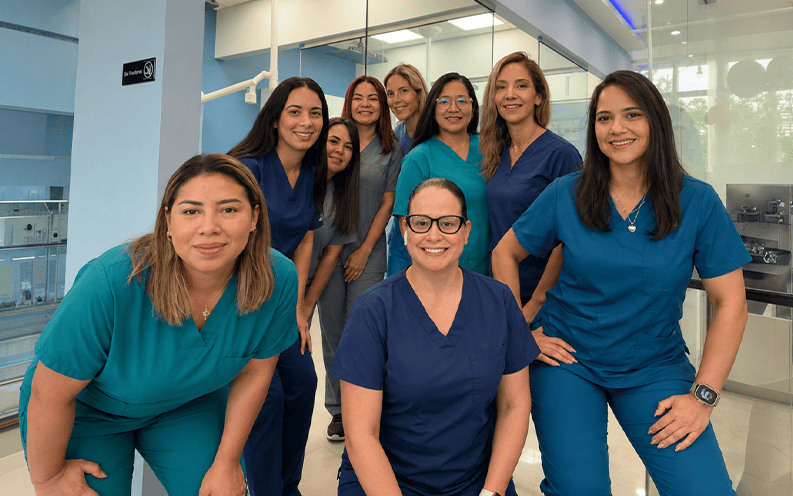
Families searching for a pediatric space maintainer near them trust Pediatric Dental Centers for personalized care designed around their child’s dental development. Our pediatric dental team evaluates the missing tooth, available space, eruption pattern, and oral health before recommending the most appropriate appliance.

We Accept Medicaid & PPO Plans

Ready to Protect Your Child’s Developing Smile?

If your child has lost a baby tooth earlier than expected, a space maintainer may help preserve the room needed for the permanent tooth underneath. Schedule an evaluation with Pediatric Dental Centers to determine whether your child needs an appliance and which option is best for their growing smile.

Frequently Asked Questions About Space Maintainer for Kids

A space maintainer is a small, custom-made dental appliance used after certain baby teeth are lost earlier than expected. It holds the empty space open so nearby teeth do not move into it while the permanent tooth develops and prepares to erupt.

Baby teeth help guide permanent teeth and maintain the proper amount of space in the dental arch. If a baby tooth is lost too early because of decay, infection, injury, or extraction, the neighboring teeth may begin moving toward the opening. A space maintainer can help reduce this unwanted movement.

No. Not every missing baby tooth requires an appliance. The pediatric dentist considers which tooth was lost, your child’s age, the position and development of the permanent tooth, available space, bite, oral health, and the expected eruption timeline before making a recommendation.

Space maintainers can be fixed or removable. Common fixed options include band-and-loop appliances, distal shoes, lingual holding arches, and Nance appliances. A removable appliance may be appropriate in selected cases. Your child’s dentist will choose the option that best fits their developmental and dental needs.

The appliance usually remains in place until the permanent tooth begins erupting or the dentist determines that the space no longer needs to be maintained. The timeline varies according to the missing tooth and your child’s stage of dental development, so regular follow-up appointments are important.

Your child should brush carefully around the appliance and floss as directed by the dental team. Sticky candy, chewing gum, ice, and very hard foods should be avoided because they can loosen or damage the appliance. Contact the office promptly if it becomes loose, broken, uncomfortable, or detached.

Blog posts

Want more about Pediatric Dental Center?

Together for Colombia: Pediatric Dental Centers Launches Donation Drive for Earthquake-Affected Families

Together for Colombia: Pediatric Dental Centers Launches Donation…

Pediatric Dental Centers is joining the relief efforts following the devastating earthquake in Colombia, collecting essential supplies to support families and communities affected by the…

Healthy Smiles Start with Healthy Eating: A Parent’s Guide to Pediatric Dental Health and Children’s Nutrition

Healthy Smiles Start with Healthy Eating: A Parent’s…

When it comes to protecting your child’s smile, most parents think about brushing, flossing, and regular dental checkups. While these habits are essential, diet and nutrition…

Teeth Numbers and Names: A Parent’s Guide to Your Child’s Dental Anatomy

Teeth Numbers and Names: A Parent’s Guide to…

Have you ever heard your child’s dentist say something like “tooth number 8” or “tooth letter K” and wondered what it meant? Dentists use a…

In which location would you like to schedule your appointment?

The patients we see range in age from 6 months to 20 years old.