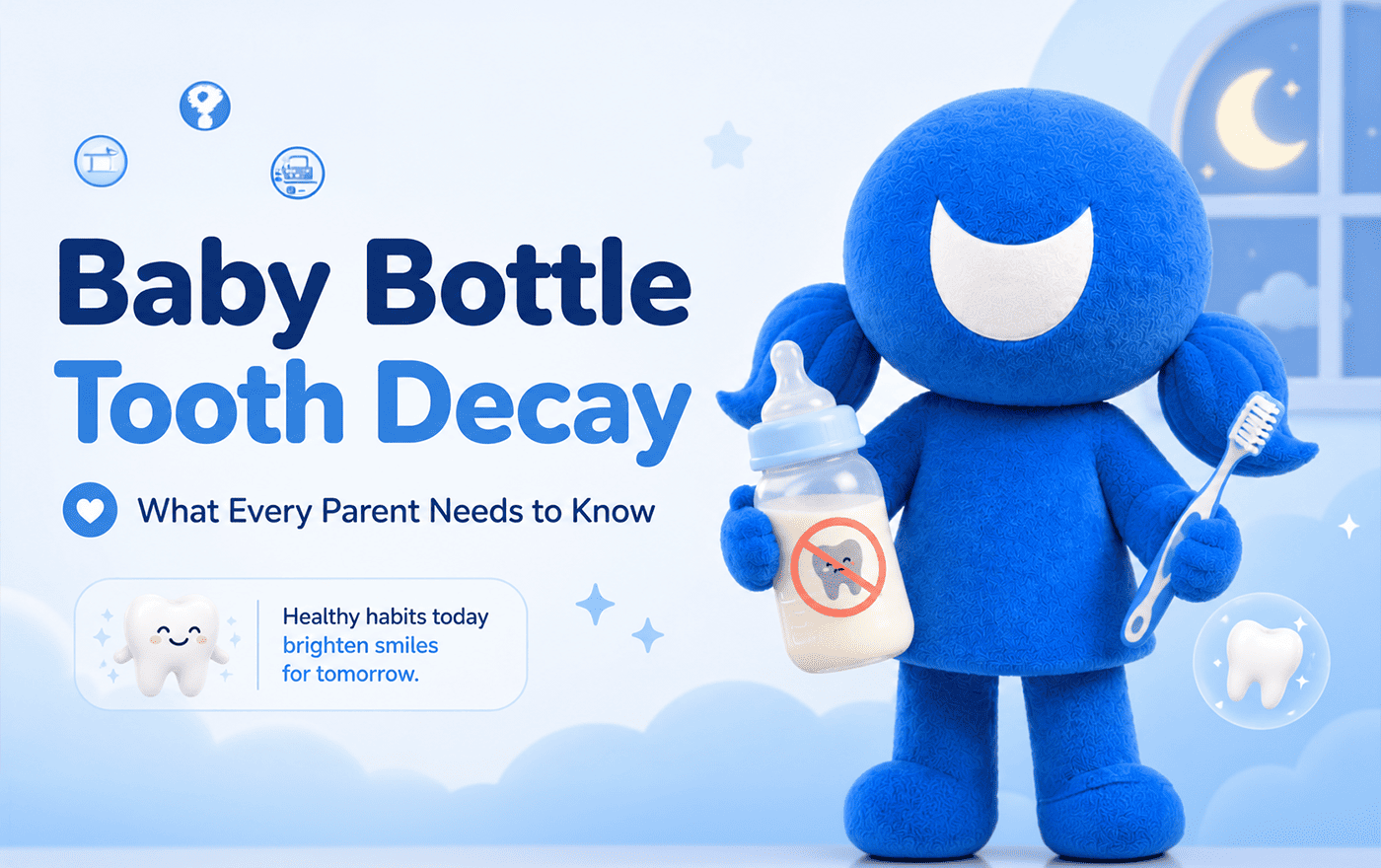
Baby bottle tooth decay, also called Early Childhood Caries (ECC), is one of the most common dental problems in infants and toddlers. Cavities can develop soon after the first teeth appear, but the condition is largely preventable with the right habits.
At Pediatric Dental Centers, we help families throughout Miami-Dade and Broward Counties protect their children’s smiles through education, prevention, and early dental care.
What Is Baby Bottle Tooth Decay?
Baby bottle tooth decay occurs when teeth are repeatedly exposed to sugary liquids. Bacteria in the mouth feed on these sugars and produce acids that weaken enamel and cause cavities.
Although commonly associated with bottles, decay can also result from prolonged use of:
● Sippy cups
● Breastfeeding on demand throughout the night after teeth erupt
● Formula
● Milk
● Juice
● Sweetened drinks
● Sports drinks
● Sweetened medications
The condition most often affects the upper front teeth but can damage any baby teeth.
Why Are Baby Teeth Important?
Baby teeth do more than hold space until permanent teeth arrive. They help children:
● Chew and eat properly
● Develop clear speech
● Maintain space for adult teeth
● Support facial growth and development
● Build confidence with a healthy smile
When baby teeth are lost too early due to decay, children may experience pain, infection, difficulty eating, and future orthodontic issues.
How Does Baby Bottle Tooth Decay Happen?
Saliva helps wash away food particles and neutralize acids, but saliva production decreases during sleep.
When a child falls asleep with a bottle containing milk, formula, juice, or another sugary beverage, liquid can remain around the teeth for extended periods, increasing the risk of cavities.
Common risk factors include:
● Putting a child to bed with a bottle
● Allowing a child to carry a bottle throughout the day
● Frequent sipping of sugary drinks
● Dipping pacifiers in honey or sugar
● Extended nighttime feedings after teeth erupt without cleaning the teeth afterward
Even natural sugars in milk, formula, breast milk, and fruit juice can contribute to decay when exposure is frequent.
Signs of Baby Bottle Tooth Decay
Early decay can be difficult to spot. Watch for:
White Spots on Teeth
Chalky white areas near the gumline may be the first sign of enamel damage.
Brown or Dark Spots
As decay progresses, teeth may develop yellow, brown, or black discoloration.
Sensitivity or Pain
Children may show discomfort while eating or drinking.
Swelling or Infection
Advanced decay can cause abscesses, facial swelling, and severe pain.
If you notice any of these signs, schedule a dental evaluation promptly.
How to Prevent Baby Bottle Tooth Decay
Avoid Bedtime Bottles with Sugary Liquids
If your child needs a bottle at bedtime, fill it only with water. Milk, juice, formula, and other sweetened beverages should not remain in contact with teeth overnight.
Start Oral Care Early
Begin oral hygiene before the first tooth erupts by wiping your baby’s gums with a clean, damp washcloth after feedings.
Once teeth appear:
● Brush twice daily
● Use a soft infant toothbrush
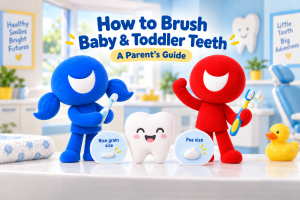
● Apply a rice-sized smear of fluoride toothpaste for children under age 3
● Increase to a pea-sized amount after age 3
Limit Sugary Drinks
Water should be the primary beverage between meals.
Limit:
● Juice
● Soda
● Sports drinks
● Sweet tea
● Flavored milk
The American Academy of Pediatrics recommends limiting juice and encouraging whole fruits instead.
Transition Away from the Bottle
Most children should begin transitioning from a bottle to a cup around their first birthday. Extended bottle use increases cavity risk and may affect oral development.
Schedule Regular Dental Visits
Routine exams help identify early signs of decay and provide preventive guidance before problems become more serious.
When Should My Child First Visit the Dentist?
The American Academy of Pediatric Dentistry recommends a dental visit by your child’s first birthday or within six months of the first tooth erupting.
Early visits help:
● Establish a dental home
● Monitor oral development
● Provide preventive guidance
● Identify concerns early
● Build comfort with dental care
These appointments are typically simple, educational, and prevention-focused.
What Happens If Baby Bottle Tooth Decay Is Not Treated?
Untreated decay can progress quickly and lead to:
● Toothaches
● Dental infections
● Difficulty eating
● Trouble sleeping
● Missed school days
● Premature tooth loss
● Orthodontic complications
● Damage to developing permanent teeth
In severe cases, treatment under sedation or general anesthesia may be necessary.
Creating Healthy Habits for Life
Healthy oral habits established early can significantly reduce the risk of cavities. Brushing twice daily, limiting sugary beverages, attending regular dental visits, and avoiding bedtime bottles all support long-term oral health.
At Pediatric Dental Centers, we believe prevention is the best treatment. Our team is dedicated to helping families protect their children’s teeth from infancy through adolescence.
Schedule Your Child’s Appointment Today
If your baby or toddler has not yet had their first dental visit, now is the perfect time to get started.
Our experienced pediatric dental team provides gentle, compassionate care in a fun and welcoming environment designed specifically for children. We proudly serve families throughout Miami-Dade and Broward Counties, including Homestead, Palmetto Bay, West Kendall, Miami Gardens, North Lauderdale, Liberty City, Biscayne, and surrounding communities.
Give your child the best start toward a lifetime of healthy smiles.
Contact Pediatric Dental Centers today to schedule an appointment and learn how we can help prevent baby bottle tooth decay and keep your child’s smile healthy and bright.