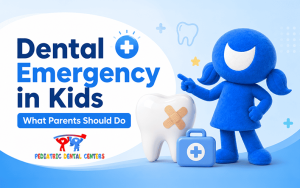
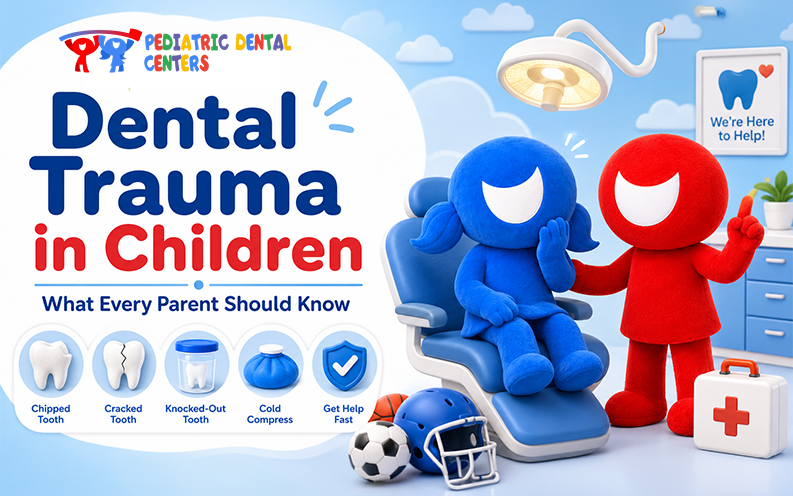
Pocos momentos son más aterradores para los padres que ver a su hijo caerse, llorar y notar de repente que tiene un diente roto o perdido. Las lesiones dentales son comunes durante la infancia, especialmente cuando los niños aprenden a caminar, practican deportes, andan en bicicleta y participan en actividades cotidianas. Aunque estos accidentes pueden ser estresantes, saber qué hacer de inmediato puede marcar una diferencia importante para proteger la sonrisa de su hijo.
En Pediatric Dental Centers, entendemos lo abrumadoras que pueden ser las emergencias dentales. Nuestros dentistas pediátricos certificados brindan atención dental de emergencia oportuna y compasiva para niños en los condados de Miami-Dade y Broward, ayudando a las familias a proteger las sonrisas de sus hijos cuando ocurren accidentes.
Ya sea que visite nuestros consultorios en Homestead, West Kendall, Miami Shores, Allapattah (River Landing), Miami Gardens, Palmetto Bay, North Lauderdale, Liberty City, o Lauderhill, nuestro objetivo es brindar un tratamiento oportuno con la tecnología más avanzada y una atención dental pediátrica basada en la evidencia.
¿Qué tan común es el trauma dental?
El trauma dental es una de las emergencias más comunes de la infancia. Las investigaciones estiman que casi uno de cada tres niños sufrirá una lesión dental antes de llegar a la edad adulta.
Los dientes que se lesionan con mayor frecuencia son los dientes frontales superiores, porque están más expuestos durante las caídas y las actividades deportivas.
Causas comunes del trauma dental
Los niños son activos por naturaleza, por lo que los accidentes son difíciles de evitar.
Las causas comunes incluyen:
- Caídas al aprender a caminar
- Accidentes en el parque infantil
- Choques en bicicleta y scooter
- Deportes de contacto
- Lesiones en la piscina
- Colisiones en el patio de la escuela
- Accidentes de patineta
- Accidentes de vehículos de motor
Aunque los accidentes no siempre se pueden prevenir, la supervisión adecuada y el equipo de protección reducen considerablemente el riesgo.
Tipos de lesiones dentales
Diente astillado o roto
Una fractura puede afectar solo el esmalte o extenderse más profundamente en el diente.
Los síntomas pueden incluir:
- Bordes afilados
- Dolor
- Sensibilidad a los alimentos fríos o calientes
- Sangrado
Incluso las astilladuras pequeñas deben ser evaluadas, porque las bacterias pueden entrar en el diente y provocar una infección.
Diente flojo
Un diente puede aflojarse después de un impacto.
Esto puede ocurrir tanto en los dientes de leche como en los dientes permanentes.
Nunca intente apretar ni reposicionar el diente usted mismo.
Diente desplazado de su posición
El diente puede estar:
- Empujado hacia atrás
- Empujado hacia adelante
- Empujado hacia los lados
- Hundido en las encías
- Parcialmente salido
Estas lesiones requieren una evaluación inmediata por parte de un dentista pediátrico.
Diente desprendido
Un diente permanente que se ha desprendido por completo es una verdadera emergencia dental.
El tratamiento rápido ofrece la mejor oportunidad de salvar el diente.
Los dientes de leche nunca deben volver a colocarse en el alveolo, ya que esto puede dañar el diente permanente en desarrollo.
¿Qué deben hacer los padres de inmediato?
Mantenga la calma
Su hijo buscará en usted tranquilidad.
Mantener la calma ayuda a reducir la ansiedad y le permite responder de manera adecuada.
Busque otras lesiones graves
Busque atención médica inmediata si su hijo presenta:
- Pérdida del conocimiento
- Vómitos persistentes
- Sangrado abundante
- Dificultad para respirar
- Sospecha de lesión en el cuello
Controle el sangrado
Aplique una presión suave con una gasa limpia.
Una compresa fría en la parte externa de la cara puede ayudar a reducir la hinchazón.
Guarde los fragmentos rotos
Si encuentra pedazos del diente, colóquelos en leche o solución salina y llévelos a su cita.
A veces estos fragmentos se pueden volver a pegar al diente.
¿Qué hacer si se desprende un diente permanente?
Cada minuto cuenta.
Siga estos pasos:
- Tome el diente solo por la corona.
- No toque la raíz.
- Si está sucio, enjuáguelo suavemente con leche o solución salina.
- No frote el diente.
- Si es posible, vuelva a colocar suavemente el diente en su alveolo.
- Si no, manténgalo húmedo en leche fría o solución salina.
Busque atención dental de emergencia de inmediato.
Un tratamiento dentro de 30 a 60 minutos ofrece la mayor probabilidad de salvar el diente.
¿Qué pasa con los dientes de leche?
Los dientes de leche desempeñan un papel importante en el desarrollo de su hijo.
Sus funciones incluyen:
- Mantener espacio para los dientes permanentes
- Ayudar a masticar
- Favorecer el desarrollo del habla
- Guiar a los dientes permanentes a su posición
Aunque un diente de leche se lesione o se pierda, siempre debe ser evaluado por un dentista pediátrico.
Por qué son importantes las radiografías dentales
Muchas lesiones no se pueden ver en un simple examen visual.
Las radiografías dentales digitales ayudan a identificar:
- Fracturas de la raíz
- Lesiones óseas
- Daño a los dientes permanentes que se desarrollan debajo
- Grietas ocultas
- Desplazamiento dental
- Complicaciones futuras
En Pediatric Dental Centers, utilizamos imágenes digitales modernas para obtener la información diagnóstica necesaria y reducir al mínimo la exposición a la radiación.
Opciones de tratamiento
El tratamiento depende del tipo y la gravedad de la lesión.
Los tratamientos posibles incluyen:
- Observación
- Restauraciones con resina del color del diente
- Coronas pediátricas
- Ferulización de dientes flojos
- Terapia pulpar
- Tratamiento de conducto en dientes permanentes
- Extracción dental cuando sea necesario
- Mantenedores de espacio si se pierde un diente de leche prematuramente
Siempre que sea posible, nuestro objetivo es preservar el diente natural de su hijo.
Por qué el seguimiento es tan importante
Algunas lesiones pueden parecer leves al principio, pero desarrollar complicaciones meses después.
Los posibles problemas a largo plazo incluyen:
- Decoloración del diente
- Infección
- Daño a la pulpa dental
- Reabsorción de la raíz
- Retraso en la erupción de los dientes permanentes
Las citas de seguimiento regulares permiten detectar y tratar estos problemas a tiempo.
Prevención de lesiones dentales
Aunque los accidentes ocurren, los padres pueden reducir significativamente el riesgo animando a sus hijos a:
- Usar un protector bucal personalizado o bien ajustado durante los deportes
- Usar casco al andar en bicicleta y scooter
- Evitar correr con objetos en la boca
- Usar el equipo del parque infantil de manera adecuada
- Usar siempre el cinturón de seguridad
- Usar sillas de auto adecuadas para su edad
Los niños con dientes frontales protuberantes pueden beneficiarse de una evaluación ortodóntica temprana, ya que estos dientes son más propensos a lesionarse.
¿Cuándo debe llamar a un dentista pediátrico?
Comuníquese de inmediato con Pediatric Dental Centers si su hijo presenta:
- Un diente roto
- Un diente flojo
- Un diente desplazado de su lugar
- Un diente permanente desprendido
- Hinchazón facial
- Sangrado persistente
- Dificultad para morder
- Dolor significativo después de un accidente
El tratamiento oportuno a menudo puede evitar tratamientos más extensos más adelante.
Atención dental pediátrica de emergencia en Miami-Dade y Broward
Las emergencias dentales rara vez ocurren en momentos convenientes. Por eso, Pediatric Dental Centers se compromete a brindar evaluación y tratamiento oportunos a los niños que sufren un trauma dental.
Nuestros experimentados dentistas pediátricos atienden a bebés, niños, adolescentes y pacientes con necesidades especiales de atención médica en nuestras convenientes ubicaciones en:
- Homestead
- Palmetto Bay
- West Kendall
- Allapattah (River Landing)
- Miami Shores
- Miami Gardens
- Liberty City
- North Lauderdale
- Lauderhill
Ya sea que su hijo se haya astillado un diente durante un partido de fútbol, se haya caído en la escuela o haya sufrido un accidente en el parque infantil, nuestro equipo tiene la experiencia y la tecnología para brindar atención de emergencia integral.
Programe hoy una visita dental de emergencia
Si su hijo sufre una lesión dental, no espere. Una evaluación temprana a menudo puede salvar un diente, reducir las molestias y prevenir complicaciones a largo plazo.
Pediatric Dental Centers se enorgullece de brindar atención dental pediátrica de confianza y servicios dentales de emergencia a familias en los condados de Miami-Dade y Broward. Nuestro equipo compasivo se dedica a ayudar a los niños a sentirse cómodos mientras reciben el más alto estándar de atención.
Llame a la ubicación de Pediatric Dental Centers más cercana a usted tan pronto como ocurra una lesión dental. El tratamiento oportuno puede marcar la diferencia para preservar la sonrisa sana y segura de su hijo.